
Which Type of Kitchen Cabinet Is Best?
When you look around a kitchen, the cabinets often stand out the most. They do more than store dishes or utensils—they set the mood, define the space, and shape how the kitchen works. Picking the right kitchen cabinet isn’t about following trends. It’s about finding the one that suits your space, your style, and how you live in it.
What Makes a Kitchen Cabinet Work
A cabinet’s job goes beyond holding things. It affects how you move in the kitchen, how easy it is to cook, and even how open the space feels. The right height, depth, and layout make a kitchen feel natural to use. Open doors shouldn’t block your path, and drawers should slide smoothly without any fuss.
Modern kitchen cabinets balance looks and functionality. They are built to handle everyday use while maintaining their design appeal. The materials, structure, and finish all work together to make the kitchen feel effortless. A well-thought-out cabinet layout can make even a small kitchen feel roomy and organized.
Popular Cabinet Styles
The style of a cabinet gives the kitchen its personality. Different styles create different vibes.
| Style | Features | Best For |
| Shaker Cabinets | Clean lines, simple frames | Traditional or modern spaces |
| Raised-Panel Cabinets | Layered panels, classic look | Adds warmth and texture |
| Flat-Panel Cabinets | Smooth, minimalist | Contemporary or sleek kitchens |
Shaker cabinets are timeless. They work in modern homes as easily as they do in classic designs. Raised panels bring a sense of depth and charm, while flat-panel cabinets are great for a minimal, clean look. The style you pick sets the tone for the rest of the kitchen.
Materials That Matter
What a cabinet is made from is just as important as how it looks. The materials affect durability, maintenance, and feel.
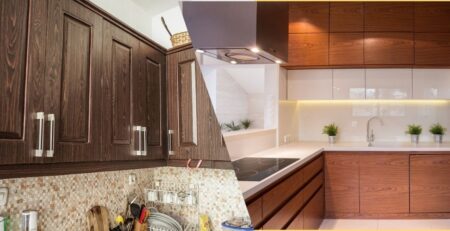
- Solid wood gives a natural texture and warmth that’s hard to match.
- Plywood is strong yet light, balancing durability and cost.
- MDF (Medium Density Fiberboard) is smooth and stable, ideal for painted finishes.
A smart combination of these materials gives you a cabinet that lasts. Solid wood frames provide strength, while engineered panels maintain shape and finish over time. A good cabinet should withstand moisture, daily use, and still look good years later.
The Role of Color
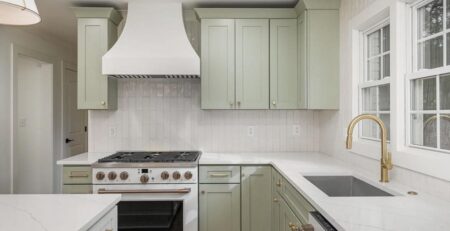
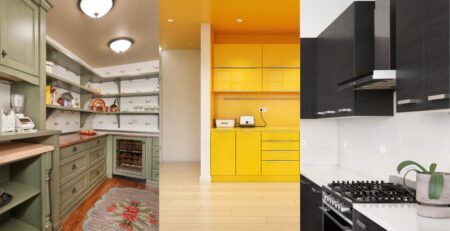
Color is what makes a kitchen feel lively, cozy, or calm. Light colors like whites, creams, or soft grays brighten a space and make it feel open. They also pair well with almost any countertop material.
Darker colors like navy, espresso, or charcoal create depth and warmth. They add character without overpowering the room. Some kitchens use two-tone cabinets — light on top, darker below — to add contrast and interest.
Cabinet color should also consider natural and artificial lighting. A shade that looks soft in daylight might feel cooler under LEDs, so testing samples can help you pick what feels right.
Finishes That Last
Finish affects both looks and durability. Matte finishes give a soft, natural appearance, while glossy surfaces reflect light and can make a space feel bigger. Stains show the natural wood grain and add richness. The right finish protects the cabinet and adds character to the kitchen.
Even small touches, like how smooth the finish feels or how light bounces off it, can change the impression of the entire kitchen.
Matching Cabinets and Countertops
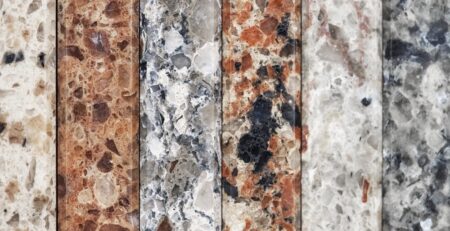
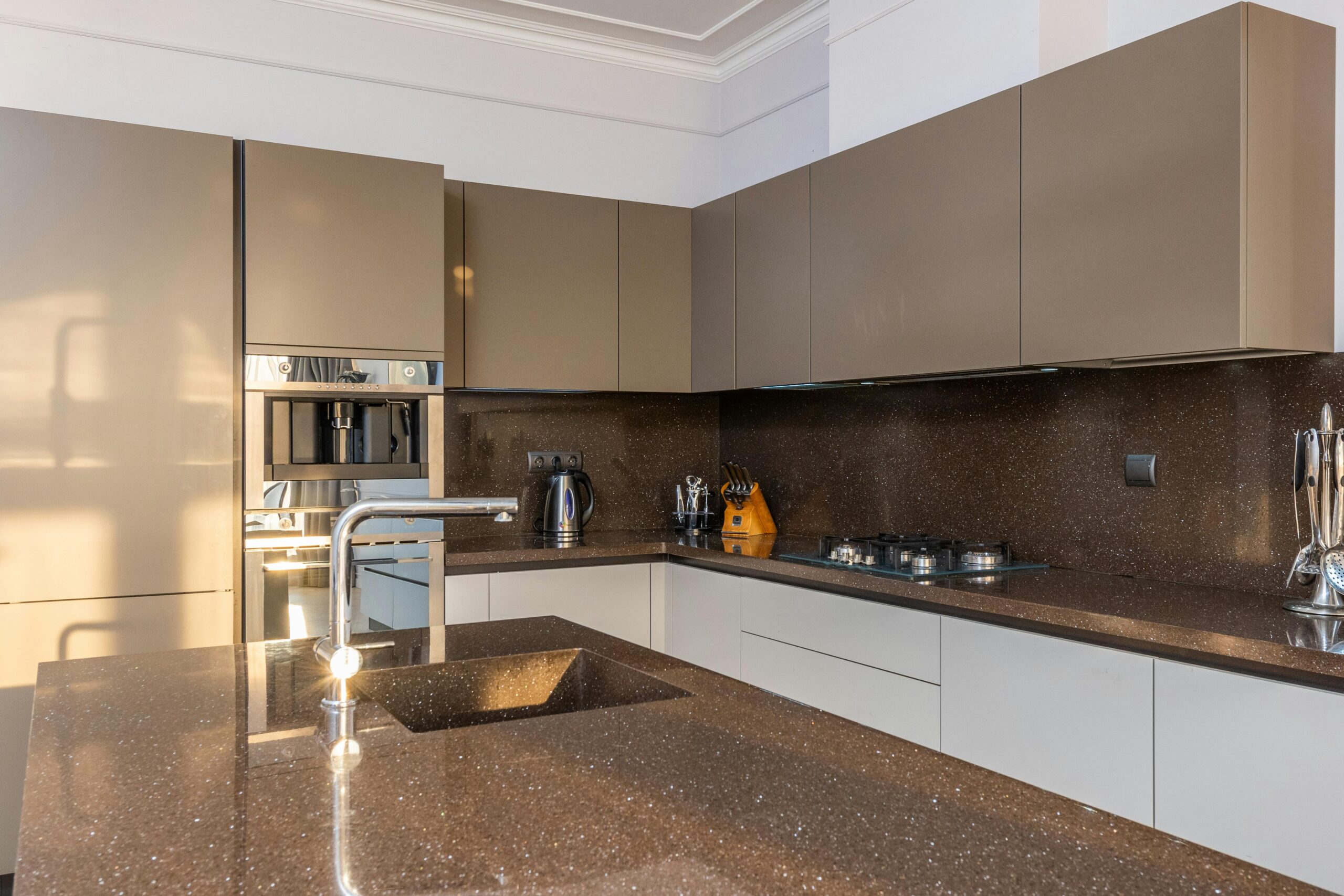
A kitchen only feels complete when cabinets and countertops work together. Light cabinets often pair beautifully with darker stone surfaces, while darker cabinets look best with lighter counters. Textures should complement rather than compete. Smooth doors pair well with patterned stone, and rich wood tones go nicely with uniform surfaces.
The combination of cabinet style, color, and countertop creates a balanced kitchen where every element feels intentional.
Choosing the Right Cabinet for Your Home
Finding the right kitchen cabinet comes down to personal needs:
- How often do you cook or entertain?
- Is your kitchen open to other spaces or enclosed?
- Do you prefer a bright, airy look or something deeper and warmer?
The answers help guide which style, color, and layout will work best. Even without custom options, you can create a space that feels personal by thinking about lighting, hardware, and flow.
Why It All Comes Together
The best cabinet doesn’t scream for attention. It quietly supports your daily life and sets the backdrop for the kitchen. The right combination of style, material, and color gives the kitchen its personality without overwhelming it.
Smooth lines, durable surfaces, and thoughtful color choices make the kitchen feel cohesive. Every time you open a door or drawer, you notice the balance between form and function, even if it’s just a small, everyday moment.
Conclusion
So, which kitchen cabinet is best? The one that fits your kitchen, your habits, and your taste. It’s not about the flashiest design or the newest trend. It’s about finding the cabinet that feels right in your space, works with your countertops, and lasts over time.
A good cabinet creates harmony in the kitchen. It balances style and practicality, letting the rest of the space shine. When everything clicks together — the materials, colors, and layout — the kitchen becomes more than a room; it becomes a place that’s truly comfortable to live in