
Which Cabinet Type Is Most Durable?
When planning a kitchen remodel, durability often becomes a deciding factor, especially for cabinets. Cabinets are used constantly and must handle weight, movement, moisture, and time without losing structure. While style matters, durability determines how well a kitchen performs years after installation. Understanding which cabinet types last longest, and why, helps homeowners make choices that support both function and long-term value.
Understanding What Makes a Cabinet Durable
Before comparing cabinet types, it helps to understand what durability actually means in a kitchen setting. Durable cabinets are those that maintain their shape, alignment, and functionality despite daily use.
Several factors contribute to cabinet durability:
- Strength of the cabinet box
- Quality of joints and connections
- Stability of doors and drawers
- Resistance to moisture and heat
- Ability to support weight consistently
Durability is not about a single feature. It’s the result of multiple construction elements working together.
Why Durability Matters in Kitchen Cabinets
Cabinets play a structural role in the kitchen. When they fail, it affects safety, storage, and usability. Below are key reasons durability should be prioritized:
- Cabinets support heavy cookware and appliances
- Strong construction prevents drawers from collapsing
- Stable doors reduce long-term hinge damage
- Durable cabinets maintain alignment over time
- Moisture resistance prevents warping
- Smooth hardware reduces daily wear
- Solid cabinets support surfaces like cabinets and countertops together
- Long-lasting cabinets reduce maintenance and replacement costs
A durable cabinet system creates a kitchen that feels reliable rather than fragile.
Core Construction Features That Improve Cabinet Durability
Instead of focusing on labels or trends, homeowners benefit from understanding construction features that directly impact longevity.
Plywood Box Construction
Plywood cabinet boxes offer strong structural integrity. They resist warping, hold screws securely, and handle weight better than low-density alternatives. This construction helps cabinets stay square and stable.
Dovetail Drawer Joints
Dovetail joints interlock drawer pieces together, preventing separation over time. This makes drawers stronger and more resistant to daily stress.
Full Overlay Doors
Full overlay doors cover most of the cabinet frame, protecting edges from wear and reducing exposure to moisture and impact.
Soft-Close Doors and Drawers
Soft-close mechanisms prevent slamming, reducing stress on hinges and drawer tracks. Over time, this significantly extends cabinet lifespan.
These features form the foundation of cabinets built for everyday use.
Different Cabinet Types and Their Durability
Cabinet type refers to how cabinets are constructed and installed. Each type has its own durability characteristics.
Framed Cabinets
Framed cabinets include a solid frame attached to the front of the cabinet box. This frame adds rigidity and helps keep doors and drawers aligned. Because of this added support, framed cabinets are often considered one of the most durable options.
Frameless Cabinets
Frameless cabinets eliminate the front frame, allowing full access to interior space. Their durability depends heavily on precise construction and strong materials. When built correctly, they perform well but require careful installation.
Inset Cabinets
Inset cabinets have doors set flush within the cabinet frame. This style requires accuracy and strong construction. When properly built, inset cabinets offer durability along with a refined appearance.
Each type can be durable, but framed cabinets are generally preferred when maximum structural strength is the goal.
How Cabinet Durability Affects the Entire Kitchen
Durable cabinets contribute to more than storage. They affect how the kitchen feels and functions daily.
When cabinets remain aligned, drawers glide smoothly, and doors close evenly, the kitchen feels easier to use. Strong cabinets also support heavier materials, allowing cabinets and countertops to function together without strain or shifting.
Over time, this structural stability protects the overall kitchen investment.
Benefits of Choosing Highly Durable Cabinets
Highly durable cabinets provide practical advantages that extend beyond appearance:
- Improved safety through stable storage
- Consistent drawer and door operation
- Reduced repair and adjustment needs
- Better support for heavy loads
- Long-term cost efficiency
- Maintained visual appeal
- Reliable daily performance
Durability simplifies kitchen ownership by reducing problems before they begin.
Style Options and Color Range Considerations
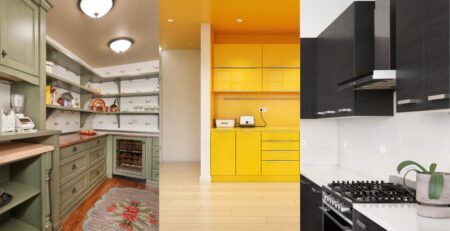
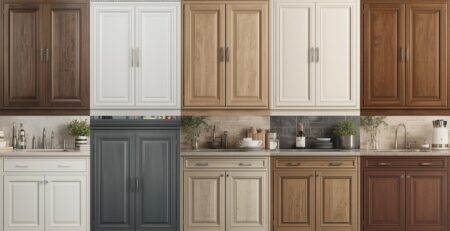
Durability does not limit design flexibility. Cabinets are available in a wide range of colors and finishes that suit different preferences.
Neutral tones offer timeless appeal and hide wear well. Deeper colors add contrast and character. Quality finishes also protect cabinet surfaces from moisture, stains, and daily contact.
Choosing finishes that balance style with maintenance needs helps cabinets age gracefully.
Final Thoughts
So, which cabinet type is most durable? Cabinets with strong box construction, reinforced joints, and supportive framing consistently perform best over time. While framed cabinets often provide the highest structural strength, durability ultimately depends on construction quality rather than style alone.
By focusing on materials, features, and practical design, homeowners can choose cabinets that support everyday life and remain dependable for years.
FAQs
Which cabinet type lasts the longest?
Framed cabinets are often considered the most durable due to added structural support, though other types can also last when built properly.
Do durable cabinets come in different colors?
Yes, durable cabinets are available in a wide range of colors and finishes suitable for various kitchen styles.
Are soft-close features important for durability?
Yes, soft-close doors and drawers reduce impact damage and extend the life of cabinet hardware.
Should cabinet durability be prioritized over style?
Both matter, but durability ensures cabinets remain functional and attractive long-term.