
What Are the Latest Trends in Pro Kitchen Cabinets and Countertops?
If you think about it, kitchens have changed without anyone really announcing it. There wasn’t a clear moment where everything shifted. It just… happened slowly. What used to be a purely functional space is now something people actually think about, sometimes quite a bit. That’s probably why kitchen remodeling feels less like a big project now and more like a gradual adjustment people make over time.
The interesting part is that trends don’t feel forced. They aren’t trying too hard. Most of them seem to come from everyday use rather than design experiments.
Cabinets Are Becoming Quieter in Design
Not long ago, cabinets were expected to stand out. Detailed panels, glossy finishes, strong colors. Now, that approach feels less common.
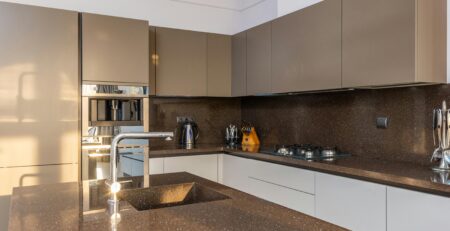
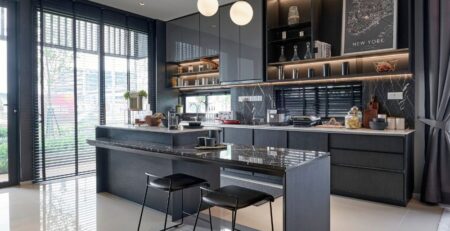
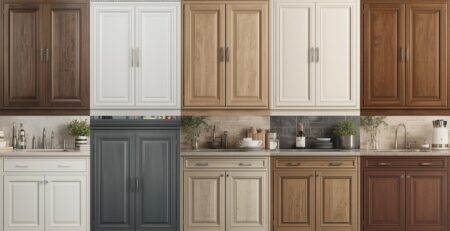
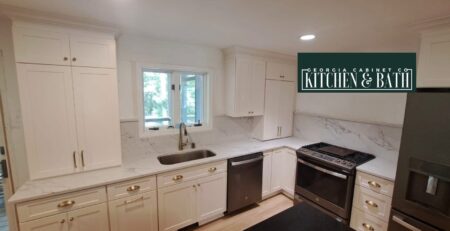
What you see instead are simpler surfaces. Flat cabinet doors, for example, have become easier to notice across different homes. They don’t dominate the room, which oddly makes the space feel more balanced. Even when shaker cabinets are used, they appear slightly toned down, almost like a softer version of what they used to be.
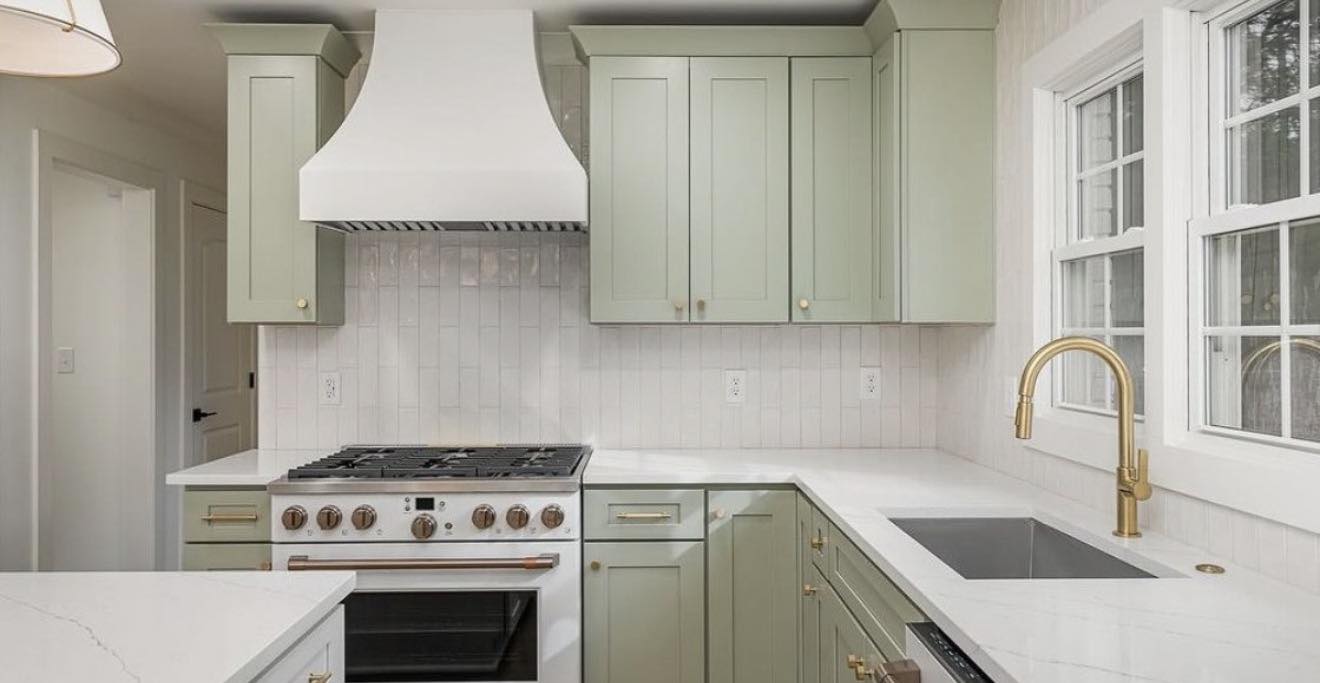
Color choices follow a similar direction. White is still there, but it doesn’t feel like the only option anymore. Warmer tones are slowly becoming part of everyday kitchens. Light wood finishes, soft greens, and muted shades seem to settle into the space rather than define it.
It gives the impression that the kitchen is meant to be used, not just displayed.
Countertops That Make Daily Use Easier
Countertops are one of those things people interact with constantly, so it makes sense that priorities have shifted a bit.
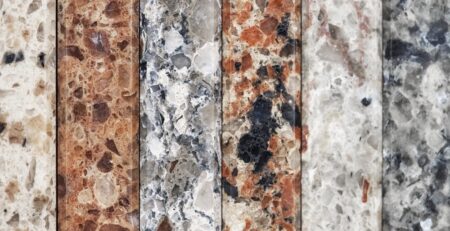
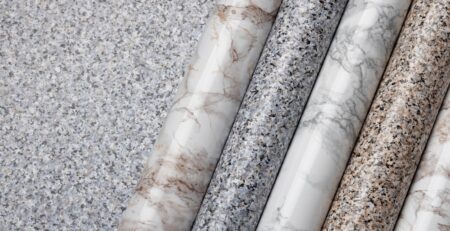
The Quartz countertop shows up quite often now, mostly because it doesn’t ask for much attention. It handles regular use well, doesn’t stain easily, and doesn’t require ongoing effort to maintain. For many households, that’s enough of a reason.
That said, natural stone hasn’t been replaced. Granite continues to appear in many kitchens, and marble still finds its place where visual variation matters more than convenience. Some people are willing to take on the extra care if they like how it looks.
Another small shift is in the finish. Matte surfaces seem to be preferred more than before. They don’t reflect light as sharply, and they tend to hide everyday marks better. It’s a subtle change, but it affects how the kitchen feels overall.
A More Thoughtful Combination of Surfaces
There’s also been a change in how cabinets and countertops are chosen together. Earlier, these decisions were often made separately, without much thought about how they would interact.
Now, the pairing feels more deliberate. Instead of strong contrasts, there’s a tendency to keep things balanced. Lighter cabinets might sit alongside slightly darker countertops, or the other way around, but nothing feels too sharp.
This doesn’t mean everything looks the same. It just means the elements seem to work with each other rather than compete. The result is a kitchen that feels consistent without being overly styled.
Practical Use Is Leading the Conversation
One thing that stands out is how much daily routine influences design choices now. People are thinking about what’s easy to clean, what lasts longer, and what doesn’t need constant attention.
Cabinets, for instance, are being designed with small improvements that make a difference over time. Better storage layouts, easier access, and simple organization features are becoming more common.
These details might not be obvious right away, but they matter once the kitchen is in use. This is where Kitchen Cabinets and Countertops Impact Your Kitchen Remodeling in ways that go beyond appearance. They shape how the space functions day after day.
Details That Don’t Demand Attention
Some of the most noticeable changes are actually the least noticeable at first.
Cabinet handles have become more minimal. In some kitchens, they’re barely visible. In others, they’re removed entirely, which creates a smoother surface. It’s a small adjustment, but it changes the overall look.
Countertop edges follow the same idea. Straight, simple edges are more common than decorative ones. They don’t draw attention, but they help everything feel more cohesive.
Lighting interacts with these surfaces in a quiet way as well. Softer finishes reflect light differently, which changes the mood of the space without making it obvious.
Availability and Timing Also Matter
Not every decision is about design preference. Sometimes, it comes down to what’s available and how quickly it can be installed.
More people are choosing options that don’t involve long waiting periods. Standard cabinet sizes are more widely accepted, and materials that are easy to source are often preferred.
It’s not about lowering expectations. It’s more about finding a balance between what looks right and what fits within practical limits.
FAQs
Are there any popular brands or styles in wholesale kitchen cabinets?
Simple styles like shaker and flat-panel cabinets are commonly chosen. They are flexible enough to work in different kitchen layouts without requiring major changes.
What are the most popular stone for kitchen cabinets available now?
Quartz and granite are widely used. Quartz is often selected for its ease of maintenance, while granite is valued for its durability and natural look.
Why are matte finishes becoming more common?
They tend to hide smudges and fingerprints better than glossy finishes. They also create a softer, less reflective surface in the kitchen.
Do cabinet and countertop choices affect everyday use?
Yes, they influence how easy it is to clean, organize, and use the kitchen. The right combination can make daily tasks feel more manageable.